Is Your IoT Data Ready for AI? Building the Foundation for Smarter Operations

Table of Contents
- Preparing IoT Data for AI-Driven Operations
- Why AI Readiness Starts with IoT Data?
- The Core Qualities of AI-Ready IoT Data
- How Disconnected Systems Limit AI Outcomes
- Building Context Around Operational Data
- A Practical IoT Data Readiness Checklist
- Where an IoT Platform Creates the Foundation
- Preparing Smarter Operations with thingZmate®
Preparing IoT Data for AI-Driven Operations
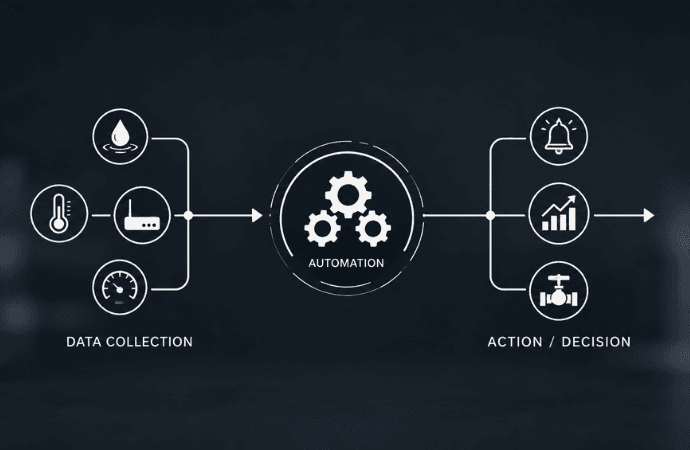
Connected assets generate continuous data from machines, facilities, farms, vehicles and utility systems. However, collecting large volumes of sensor data does not automatically make an organization ready for AI. AI needs information that is accurate, structured, contextualized and available at the right time. Disconnected devices and inconsistent formats can make operational data difficult to interpret. Missing timestamps, unclear asset names and unreliable readings can weaken analysis before it begins. The first step toward AI-driven operations is therefore not choosing an algorithm. It is building a dependable industrial IoT data foundation that reflects real operating conditions. When that foundation is strong, teams can move from basic visibility toward smarter decisions and automation.
Why AI Readiness Starts with IoT Data?
AI systems identify patterns by learning from the information provided to them. If operational data is incomplete or inconsistent, the resulting recommendations may also be unreliable. A strong IoT environment collects data continuously and organizes it around assets, locations and processes. This gives future analytics and AI applications a clearer view of what is happening across operations. Businesses should first ensure that their connected data can support the following requirements:
- Consistent sensor readings across devices
- Accurate timestamps and measurement units
- Clear asset and location identification
- Reliable communication from edge to cloud
- Accessible historical data for comparison
- Defined thresholds, events and operating states
The Core Qualities of AI-Ready IoT Data
AI-ready IoT data must be useful beyond a single dashboard or isolated monitoring task. It should remain understandable when combined with information from different devices, sites and systems. The goal is to create a dependable operational dataset that can support analysis at scale. Several qualities determine whether connected data is ready for more advanced applications.
Essential Data Qualities
- Accuracy that reflects real operating conditions
- Completeness across critical parameters and time periods
- Consistency in formats, units and naming conventions
- Context that links readings to assets, locations and processes
- Continuity that preserves historical trends and event records
How Disconnected Systems Limit AI Outcomes
Many organizations collect operational data through separate devices, applications and vendor-specific dashboards. Each system may use different naming structures, protocols, time formats and storage methods. This fragmentation makes it difficult to compare conditions or create a complete operational view. AI projects then spend more effort cleaning and aligning data than generating useful intelligence.
From Isolated Readings to Connected Operations
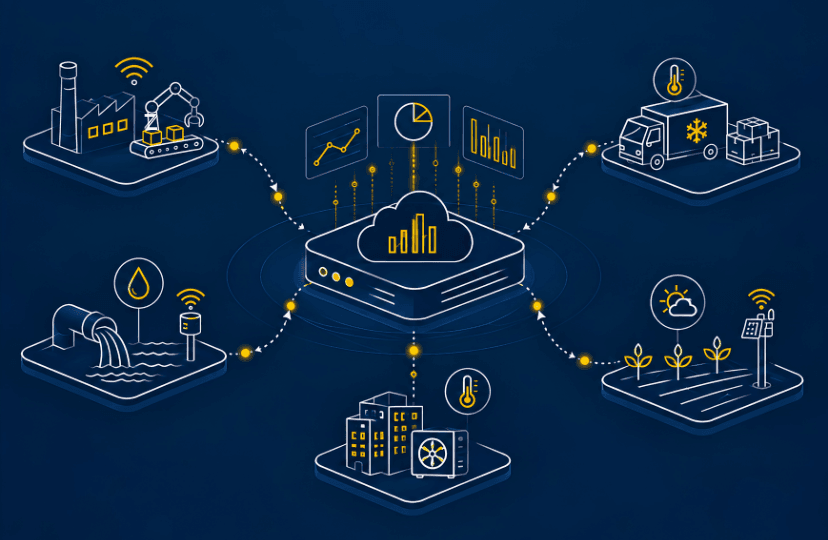
A unified data layer helps teams bring information from multiple assets and environments into one structure. It reduces dependence on manual exports, spreadsheets and repeated data preparation. It also helps users compare energy, temperature, equipment status, water levels and other parameters together. With consistent data access, organizations can build stronger reporting, analytics and automation workflows. This creates a more practical starting point for future industrial AI use cases.
Building Context Around Operational Data
A temperature value alone does not explain whether a process is operating normally. The reading becomes useful when it is linked to the correct asset, location, time and operating condition. Context allows teams and analytical systems to understand what each data point actually represents.
What Operational Context Should Include
- Device, asset and equipment identity
- Site, zone or process location
- Measurement unit and expected operating range
- Current state, event type and related conditions Contextualized IoT data makes trends easier to compare and abnormal behaviour easier to investigate. It also supports more meaningful rules, reports and future predictive models. Without context, even accurate sensor data may provide limited decision-making value.
A Practical IoT Data Readiness Checklist
- Are all critical assets connected and reporting reliably?
- Are data formats and measurement units standardized?
- Are devices mapped to the correct assets and locations?
- Are timestamps synchronized across connected systems?
- Is historical data retained for trend and event analysis?
- Are missing values, communication gaps and faulty readings visible?
- Can data be accessed through dashboards, reports or integrations?
- Are operating thresholds and event definitions clearly documented?
- Can the architecture scale as devices, users and sites increase?
Where an IoT Platform Creates the Foundation
Platform Capabilities That Support Readiness
- Multi-device onboarding and centralized device management
- Support for diverse sensors, gateways and communication protocols
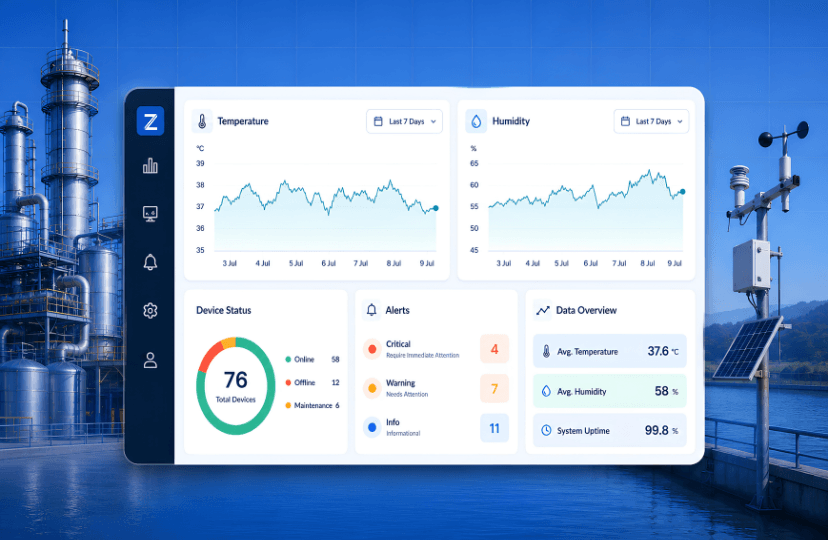
- Real-time dashboards for operational visibility
- Configurable alerts, rules and automated workflows
- Historical reports for trend and performance analysis
- Asset, site and user-level data organization
- Integration options for external applications and business systems
- Scalable access across distributed operations
Preparing Smarter Operations with thingZmate®
Build the Data Layer Before the Intelligence Layer
Organizations do not become AI-ready by adding a new tool to fragmented operations. They become ready by creating reliable connections, consistent data and clear operational context. This foundation enables analytics and automation to produce more relevant outcomes.
How thingZmate® Supports the Foundation
- Connect devices across different operational environments
- Organize live and historical data within one platform
- Monitor assets through configurable dashboards and widgets
- Apply alerts, rules and workflows to operational conditions
- Integrate connected data with wider digital systems
- Scale monitoring across assets, sites and user teams
Table of Contents
- Preparing IoT Data for AI-Driven Operations
- Why AI Readiness Starts with IoT Data?
- The Core Qualities of AI-Ready IoT Data
- How Disconnected Systems Limit AI Outcomes
- Building Context Around Operational Data
- A Practical IoT Data Readiness Checklist
- Where an IoT Platform Creates the Foundation
- Preparing Smarter Operations with thingZmate®
Keep Exploring Our Blog Collection

© 2026, Enthu Technology Solutions India Pvt. Ltd. All Rights Reserved.