Heat, humidity, sudden rain—how can Indian farms stay one step ahead?

Table of Contents
- Why Hyperlocal Weather Intelligence Matters?
- Understanding India’s Weather Challenge
- Why Farm-Level Microclimates Matter?
- What Farmers Need to Monitor?
- Introducing mClimateSense®
- How Smart Weather Monitoring Supports Decisions?
- Benefits of Smart Weather Monitoring for Farms
- Building Climate-Resilient Indian Farms
Why Hyperlocal Weather Intelligence Matters?
Hyperlocal weather monitoring for agriculture gives farmers a clearer view of conditions within their own fields. By combining farm-level sensors, digital dashboards and official forecasts, farmers can make better decisions about irrigation, spraying, harvesting and crop protection before changing weather causes avoidable losses.
Understanding India’s Weather Challenge
Heatwaves, erratic rainfall and prolonged dry periods are increasing climate risks for Indian agriculture. A 2024 IPE Global and Esri India analysis reported that more than 84% of Indian districts were susceptible to extreme heatwaves, while 70% were experiencing increased frequency and intensity of extreme rainfall events.
- Extreme heat can increase crop and soil-moisture stress.
- High humidity can create favourable conditions for crop diseases.
- Sudden rainfall can interrupt spraying and harvesting operations.
- Dry spells can increase irrigation requirements.
- Strong winds can damage crops and affect chemical application.
Why Farm-Level Microclimates Matter?
Weather conditions can vary between nearby farms because of elevation, vegetation, soil, water bodies and surrounding land use. A regional forecast may describe the wider area accurately while missing short-term conditions within a particular field.
The Need for Hyperlocal Weather Data for Farmers
The Government of India’s Weather Information Network and Data System highlights the importance of hyperlocal, quality-controlled weather data for farmer advisories, crop planning, insurance and climate-risk management. Field-level observations complement regional forecasts by showing what is happening directly around the crop.
What Farmers Need to Monitor?
An effective agricultural weather monitoring system requires more than a general rain forecast. Farmers need real-time information that reflects the conditions affecting crops, irrigation and daily field operations.
Essential Weather Parameters
- Temperature: Helps identify heat stress and changing irrigation demand.
- Relative humidity: Supports crop-disease and plant-stress assessment.
- Rainfall: Helps track precipitation and adjust irrigation schedules.
- Wind speed: Supports safer spraying and crop-protection decisions.
- Wind direction: Helps assess spray drift and weather movement.
Introducing mClimateSense®
The mClimateSense® microclimate management solution is designed to bring farm-level weather observations into one connected monitoring system. It combines environmental sensors, remote communication and digital visualisation to help farms track changing microclimate conditions.
From Field Conditions to Actionable Insights
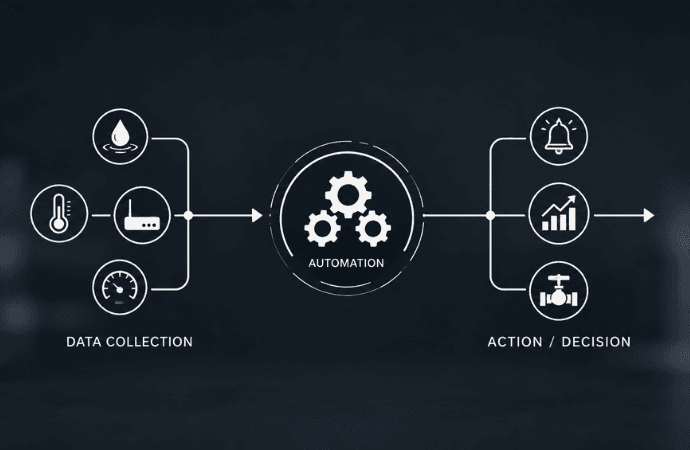
- Collects data through an IoT weather station for agriculture.
- Tracks temperature, humidity, rainfall and wind conditions.
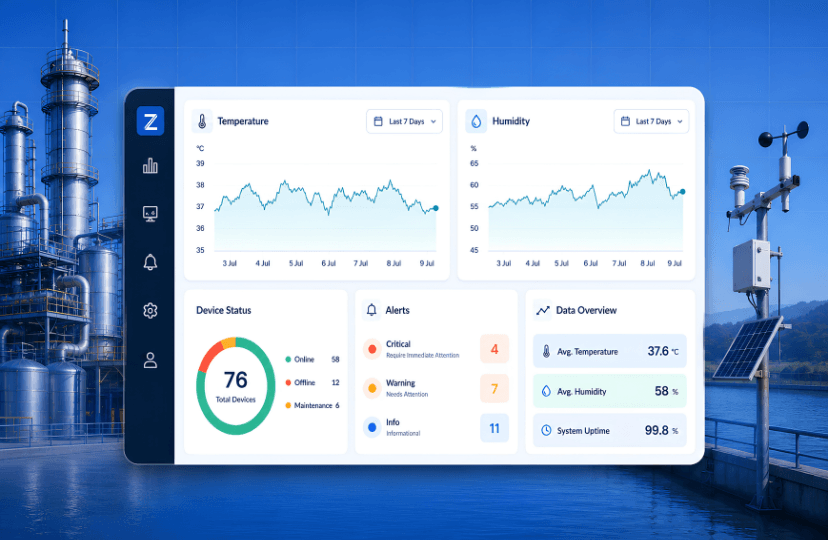
- Displays current and historical weather observations.
- Generates alerts when monitored values cross defined limits.
- Supports remote monitoring across distributed farm locations. When connected to the thingZmate® AIoT platform, field data can be viewed through dashboards, trends and real-time alerts. This gives farmers and farm managers continuous visibility without depending entirely on manual weather recording.
How Smart Weather Monitoring Supports Decisions?
Continuous Field-Level Monitoring
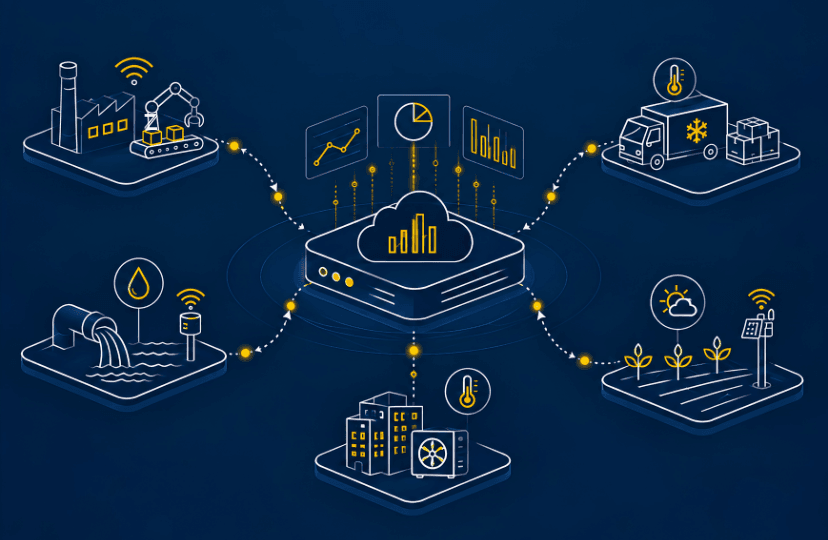
Sensors installed at representative farm locations continuously measure selected weather parameters. The readings are transmitted through available communication networks and stored on a digital platform for live monitoring and historical comparison.
Practical Farm Applications
- Schedule irrigation according to temperature, humidity and rainfall.
- Delay spraying when wind or rain creates operational risks.
- Plan harvesting around changing field-weather conditions.
- Identify patterns linked to crop stress or disease pressure.
- Compare present observations with previous crop cycles.
Benefits of Smart Weather Monitoring for Farms
A smart weather monitoring system helps farmers move from reactive decisions to planned field operations. Automated observations, threshold alerts and historical records reduce dependence on manual measurements and support faster responses to changing conditions.
Key Operational Benefits
- Improves irrigation planning during heat and dry periods.
- Supports timely crop protection during humidity increases.
- Reduces unsuitable spraying before wind or rainfall events.
- Saves time by automating weather-data collection.
- Creates reliable records for farm planning and analysis.
Building Climate-Resilient Indian Farms
- Combine field sensor data with official weather forecasts.
- Install sensors in representative and unobstructed locations.
- Configure alerts for heat, humidity, rainfall and wind risks.
- Review historical data before planning crop activities.
- Scale monitoring through FPOs, cooperatives and farm clusters. The expansion of India’s agro-weather observation network under Mission Mausam reflects the growing importance of reliable weather intelligence for agriculture. By combining official forecasts with hyperlocal weather monitoring for agriculture, Indian farms can make faster, more informed and climate-resilient decisions.
Table of Contents
- Why Hyperlocal Weather Intelligence Matters?
- Understanding India’s Weather Challenge
- Why Farm-Level Microclimates Matter?
- What Farmers Need to Monitor?
- Introducing mClimateSense®
- How Smart Weather Monitoring Supports Decisions?
- Benefits of Smart Weather Monitoring for Farms
- Building Climate-Resilient Indian Farms
Keep Exploring Our Blog Collection

© 2026, Enthu Technology Solutions India Pvt. Ltd. All Rights Reserved.