How Cloud-Based IoT Is Changing the Way Connected Operations Are Managed?

Table of Contents
- Connected Operations Are Moving Beyond Local Monitoring
- From Field Devices to a Shared Cloud Environment
- What an IoT Cloud Platform Actually Does?
- Real-Time Data Becomes More Useful With Context
- Why Cloud-Based Monitoring Matters as IoT Deployments Grow?
- Where Cloud-Based IoT Can Support Everyday Operations?
- What to Consider When Evaluating an IoT Cloud Platform?
- Bringing Connected Data Into a More Usable Operational Layer
Connected Operations Are Moving Beyond Local Monitoring
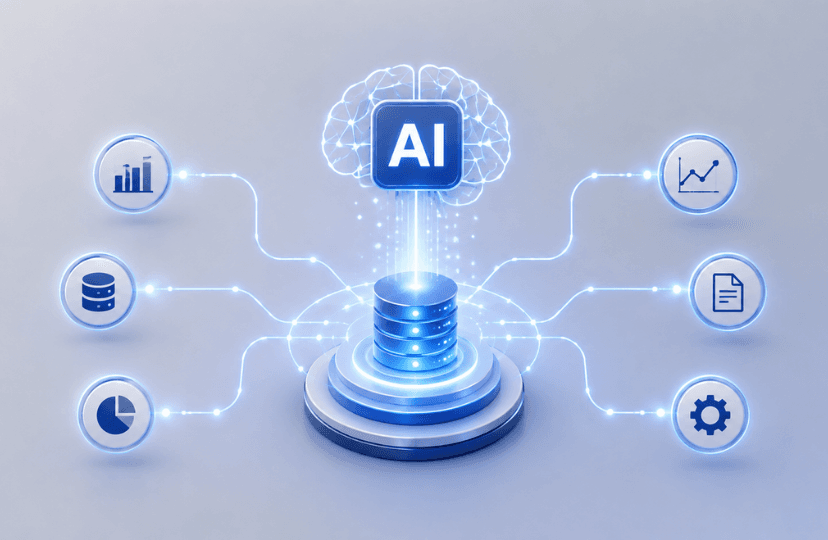
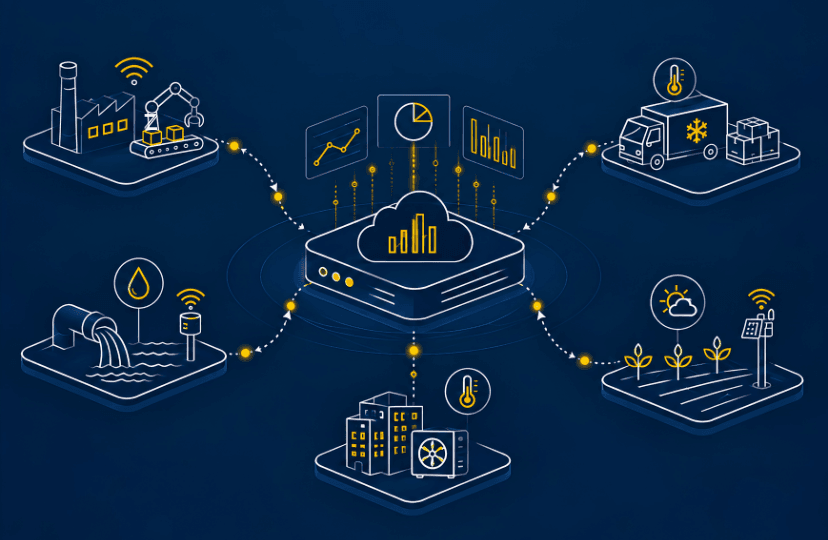
Connected devices now operate across factories, utilities, buildings, farms, warehouses, and remote infrastructure. As deployments grow, a local screen showing one device or parameter is no longer enough. Teams need a common environment where operational data can be accessed and understood across locations. An IoT cloud platform provides that shared layer for collecting, organizing, and using connected-device data. It supports remote visibility without creating a separate monitoring process for every site. The cloud therefore becomes an operational layer, not simply a place to store data.
From Field Devices to a Shared Cloud Environment
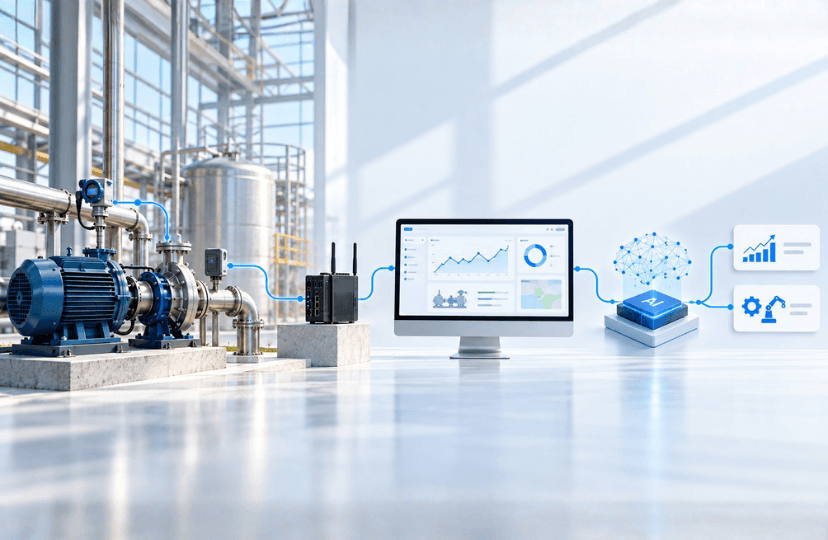
Every IoT system begins with sensors, meters, controllers, and gateways collecting information from the physical environment. That information becomes more useful when it moves into a cloud environment for monitoring and analysis. Microsoft's Azure IoT overview provides a useful reference for understanding cloud-connected and edge-connected IoT architectures.
- Collect telemetry from connected sensors and equipment
- Receive data through gateways and supported networks
- Organize devices and asset information
- Store current and historical operational data
- Present data through dashboards and widgets
- Support remote access for authorized teams
- Connect monitoring data with alerts and analytics
- Make information available across multiple locations
- Build a common data layer for connected operations
What an IoT Cloud Platform Actually Does?
An IoT cloud platform connects field data with the applications and teams that need to use it. Its purpose is to make incoming telemetry easier to manage, interpret, and apply.
Core capabilities of the cloud layer
- Device connectivity and data ingestion
- Device and asset management
- Real-time monitoring and visualization
- Configurable alerts and notifications
- Historical trends and analytics
- Reporting and data export
- Integration with connected applications
- Data integration with other operational systems
Real-Time Data Becomes More Useful With Context
A live sensor value is useful, but it rarely explains the complete operational situation. Teams also need historical behavior, device context, location, and configured limits.
From a reading to operational understanding
A temperature value becomes more useful when compared with its normal range and recent trend. A tank level provides more context when teams can see how quickly it is rising or falling. Equipment status is easier to interpret when alerts, timestamps, and historical information are available together. This combination turns raw telemetry into information that can support operational decisions.
Why Cloud-Based Monitoring Matters as IoT Deployments Grow?
Small IoT deployments may be manageable with a few devices and simple local interfaces. Complexity increases when connected equipment is distributed across facilities, assets, and geographic locations.
Supporting growing connected environments
- Bring multiple device groups into a common monitoring environment
- View operational data across locations
- Reduce dependence on manual site-by-site checks
- Maintain historical information for comparison
- Give authorized teams remote access
- Scale monitoring as device counts increase Cloud-based monitoring creates a more consistent way to organize connected operations as deployments expand. It also allows teams to work from shared information rather than isolated device views.
Where Cloud-Based IoT Can Support Everyday Operations?
- Industrial equipment and Industry 4.0 monitoring across production and utility environments
- Water infrastructure monitoring for tanks, pumps, flow, and pressure
- Smart building IoT monitoring for energy and environmental conditions
- Cold chain IoT monitoring for temperature, humidity, doors, and storage environments
- AgriTech monitoring solutions for weather, soil, irrigation, and field conditions
- Environmental monitoring across remote sites
- Energy monitoring across distributed facilities
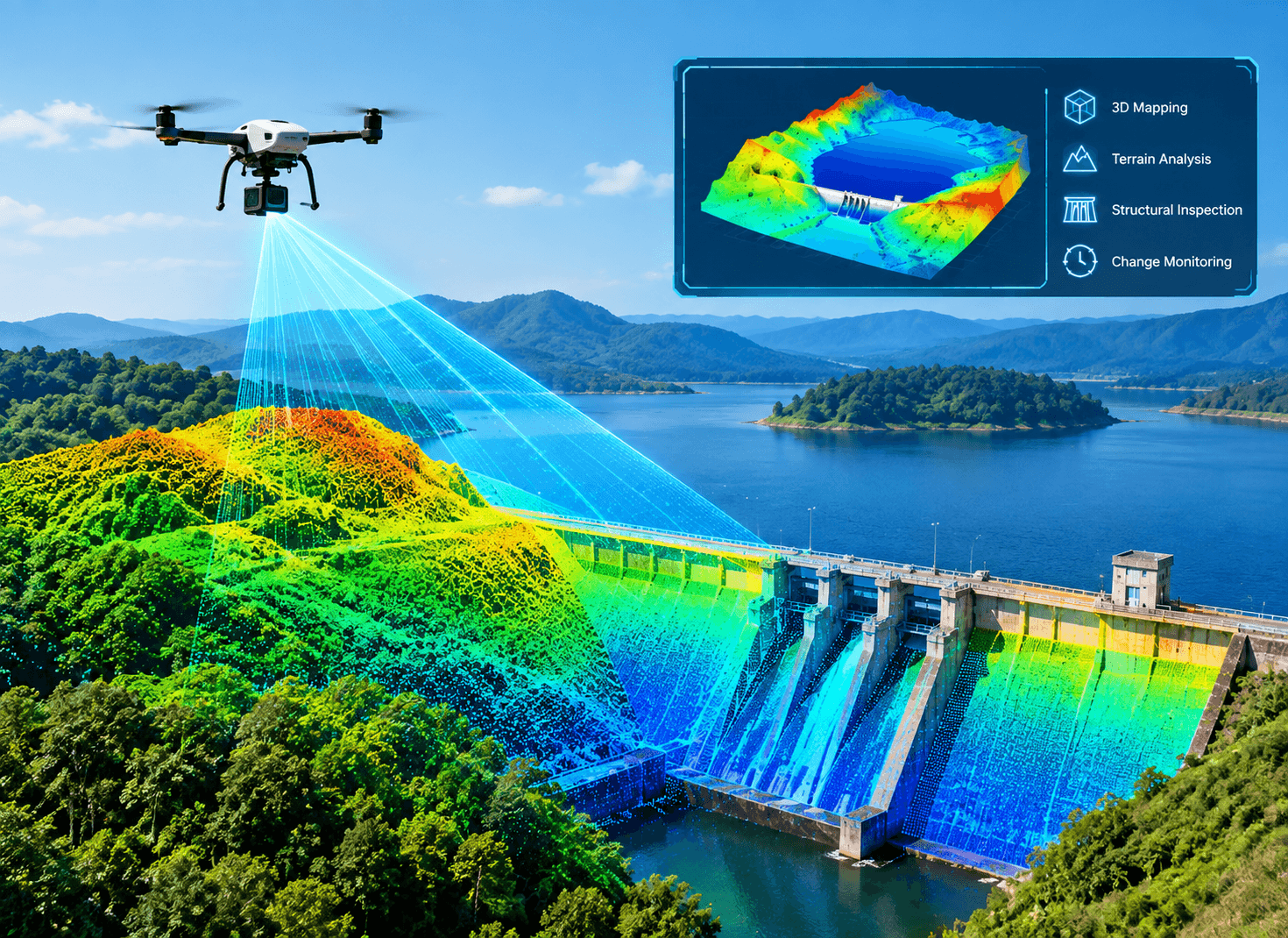
- Remote asset and infrastructure monitoring
- Multi-site operational monitoring
What to Consider When Evaluating an IoT Cloud Platform?
A platform should fit the operational environment, not only the device
- Support for required devices, gateways, and protocols
- Scalability for growing connected-device fleets
- Flexible dashboards for different teams
- Configurable alerts for important operating conditions
- Historical trends, analytics, and reporting
- Secure access to operational information
- Integration options for existing systems
- Remote and mobile accessibility
Bringing Connected Data Into a More Usable Operational Layer
The platform should connect technology with day-to-day operations
A useful cloud platform should help teams monitor current conditions, understand historical behavior, and identify important changes. For distributed operations, this creates a clearer link between field data and day-to-day decisions. thingZmate® brings connected-device data, dashboards, alerts, analytics, reports, device management, and location visibility into a unified AIoT environment.
Moving from connectivity toward operational value
- Connect devices and organize their data
- Monitor real-time operational information
- Review trends and historical performance
- Generate reports for analysis and review
- Give teams remote access to relevant information
- Use connected data to support faster decisions
Table of Contents
- Connected Operations Are Moving Beyond Local Monitoring
- From Field Devices to a Shared Cloud Environment
- What an IoT Cloud Platform Actually Does?
- Real-Time Data Becomes More Useful With Context
- Why Cloud-Based Monitoring Matters as IoT Deployments Grow?
- Where Cloud-Based IoT Can Support Everyday Operations?
- What to Consider When Evaluating an IoT Cloud Platform?
- Bringing Connected Data Into a More Usable Operational Layer
Keep Exploring Our Blog Collection
© 2026, Enthu Technology Solutions India Pvt. Ltd. All Rights Reserved.