Beyond the Drop: The Water Credit Revolution in Farming

Table of Contents
- Turning Farm Water Savings into Measurable Value
- Why Agriculture Needs a New Water-Value Model
- How Water Credits Work in Agriculture
- Technologies Enabling Verified Water Savings
- Benefits for Farmers, Communities and Ecosystems
- Challenges and Ethical Considerations
- Building an Inclusive Water-Credit Future
Turning Farm Water Savings into Measurable Value
Water credits in agriculture offer a potential way to reward farmers for verified water conservation. By combining precision irrigation, water accounting and digital monitoring, programmes can measure genuine savings and convert them into financial incentives. This approach connects sustainable farming with better resource management while recognising water as a shared and limited resource.
Why Agriculture Needs a New Water-Value Model
Water supports food production, rural livelihoods and healthy ecosystems. However, climate variability, groundwater stress and inefficient irrigation are increasing pressure on agricultural water supplies. The FAO’s agricultural water management guidance highlights the need to improve water productivity, strengthen governance and help farmers produce more with available resources.
- Unmonitored irrigation can apply more water than crops require.
- Excessive pumping increases energy and operating costs.
- Groundwater extraction may exceed natural recharge.
- Poor measurement makes water losses difficult to identify.
- Farmers need practical incentives to adopt efficient practices.
How Water Credits Work in Agriculture
A water-credit programme compares actual water use with an approved baseline. When a farmer reduces withdrawals or consumption through eligible conservation practices, the verified difference may generate a credit, certificate or payment under the programme’s rules.
From Baseline to Verified Credit
- Define the farm, water source and project boundary.
- Establish historical water use and a credible baseline.
- Monitor withdrawals using meters, sensors or remote sensing.
- Verify that the savings are real and additional.
- Issue incentives according to transparent programme rules. Water credits reward verified reductions in agricultural water use—not simply the installation of efficient equipment. Reliable water accounting is essential because reduced field application does not always mean that the same quantity has been saved across the wider watershed.
Technologies Enabling Verified Water Savings
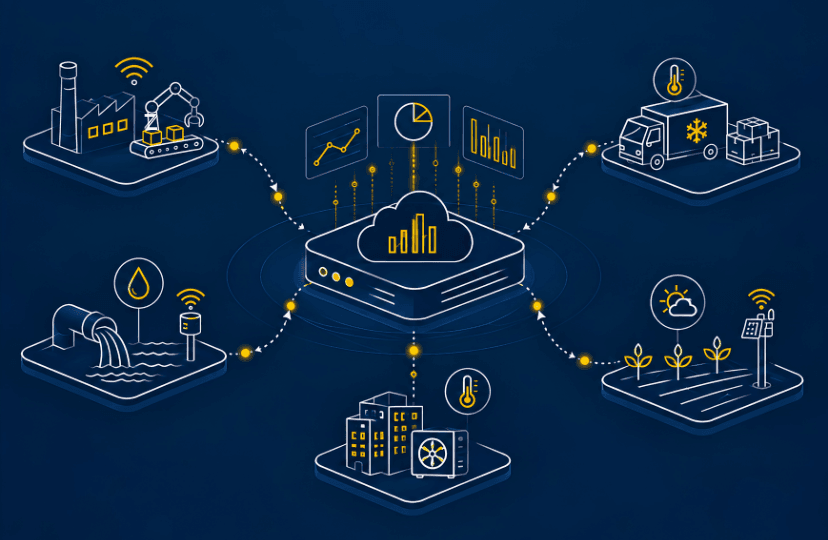
Smart meters, flow sensors, soil-moisture probes and weather stations provide the data needed for digital water monitoring. EnthuTech’s smart agritech solutions support precision irrigation, resource monitoring and data-driven farm management.
Connecting Field Data with Decisions
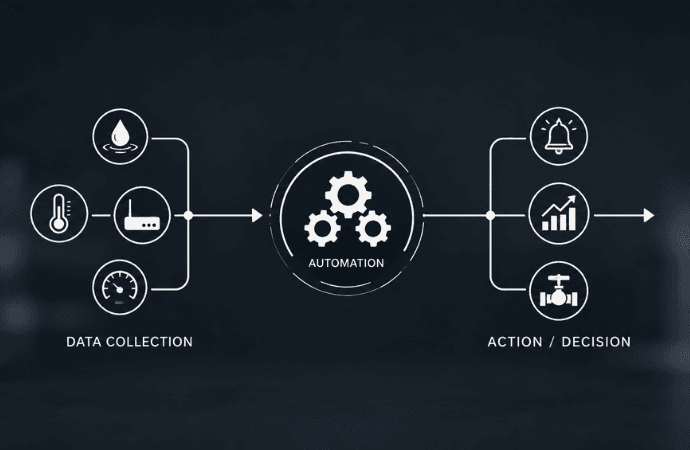
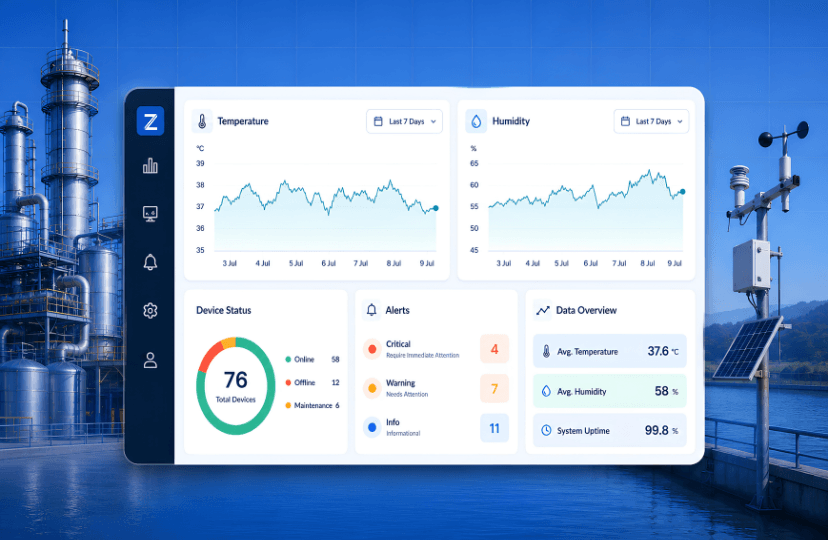
The thingZmate® AIoT platform can connect field devices, display real-time conditions and generate alerts for faster irrigation decisions. Analytics can combine soil moisture, weather and crop requirements to help farmers irrigate according to actual field demand rather than fixed schedules.
Benefits for Farmers, Communities and Ecosystems
Well-designed agricultural water credits can connect farm water conservation with measurable economic and environmental value. Farmers may reduce pumping costs, improve irrigation discipline and receive incentives when verified savings meet programme requirements.
Potential Benefits
- Lower water and energy costs for farmers.
- Better drought resilience through efficient irrigation.
- Improved visibility into community water demand.
- Reliable monitoring data for programme managers.
- Reduced pressure on rivers, aquifers and ecosystems. The World Bank’s Water for Food programme emphasises smarter agricultural water management, stronger farmer participation, inclusive investment and protection of natural systems.
Challenges and Ethical Considerations
Safeguards for Fair Water-Credit Programmes
- Prevent large landholders from capturing most credits.
- Include smallholders, tenants and marginal communities.
- Protect farmer, location and water-consumption data.
- Avoid double counting the same water savings.
- Maintain minimum water access for people and ecosystems.
Building an Inclusive Water-Credit Future
Governance Must Come Before Trading
Water-credit systems require clear water rights, credible baselines, transparent verification and local participation. Governments, irrigation authorities, farmer organisations, researchers and technology providers must jointly define how water savings are measured, who owns the credits and how programme benefits are shared.
Priorities for Scalable Implementation
- Support smallholders through subsidies and pooled projects.
- Use local water-user groups to establish fair rules.
- Connect sensors with secure digital reporting systems.
- Test programmes within defined farms or watersheds.
- Scale only after verifying social and ecological benefits.
Solutions such as precision irrigation and smart farming systems, the thingZmate® monitoring platform and technologies such as paddyAkvo® water-level monitoring can support the data layer required for conservation programmes. Further practical guidance is available in EnthuTech’s AIoT resource on smart water management and conservation.
Table of Contents
- Turning Farm Water Savings into Measurable Value
- Why Agriculture Needs a New Water-Value Model
- How Water Credits Work in Agriculture
- Technologies Enabling Verified Water Savings
- Benefits for Farmers, Communities and Ecosystems
- Challenges and Ethical Considerations
- Building an Inclusive Water-Credit Future
Keep Exploring Our Blog Collection

© 2026, Enthu Technology Solutions India Pvt. Ltd. All Rights Reserved.